This project began with a conversation I had with Michael Sloan, an illustrator I had collaborated with before. The subject was how to address one of the most divisive, most intractable issues in American society: namely, the question of who gets to live here.
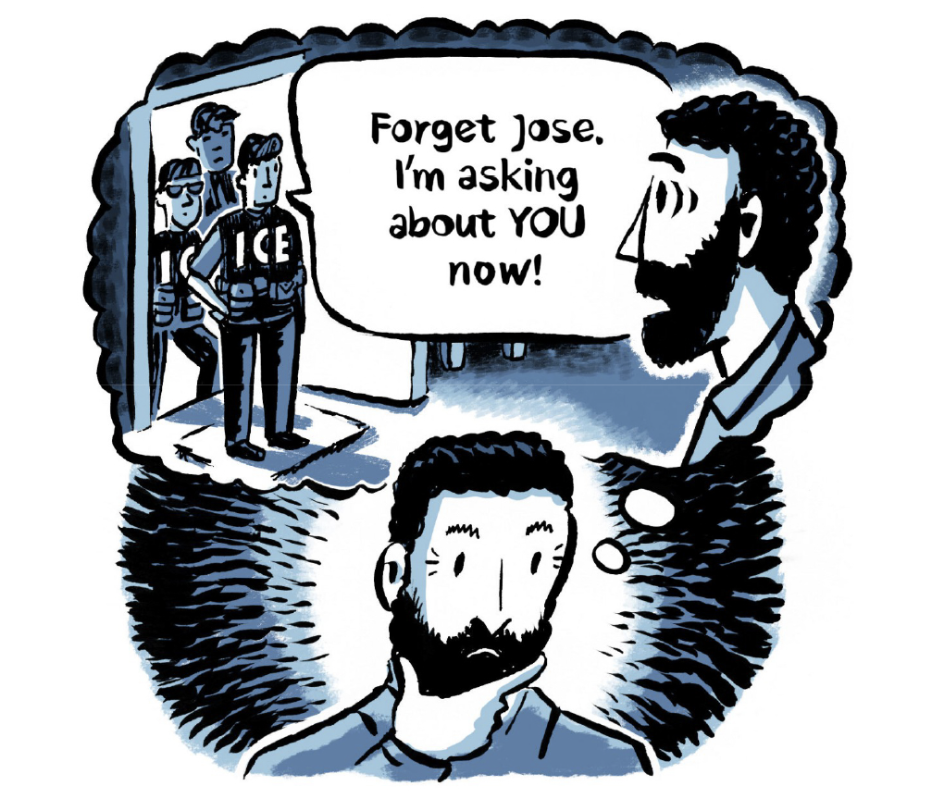
That question underlay the rancorous political debate that had torn apart families and the electorate over the past twenty-five years. It helped flip the presidency in 2024. It led directly to the presence of ICE officers in cities across the country, to protests, violence and, as we had just seen in Minneapolis and Portland, to shootings and deaths.
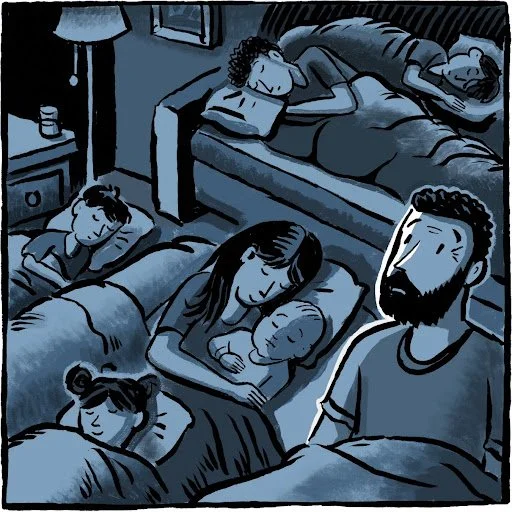
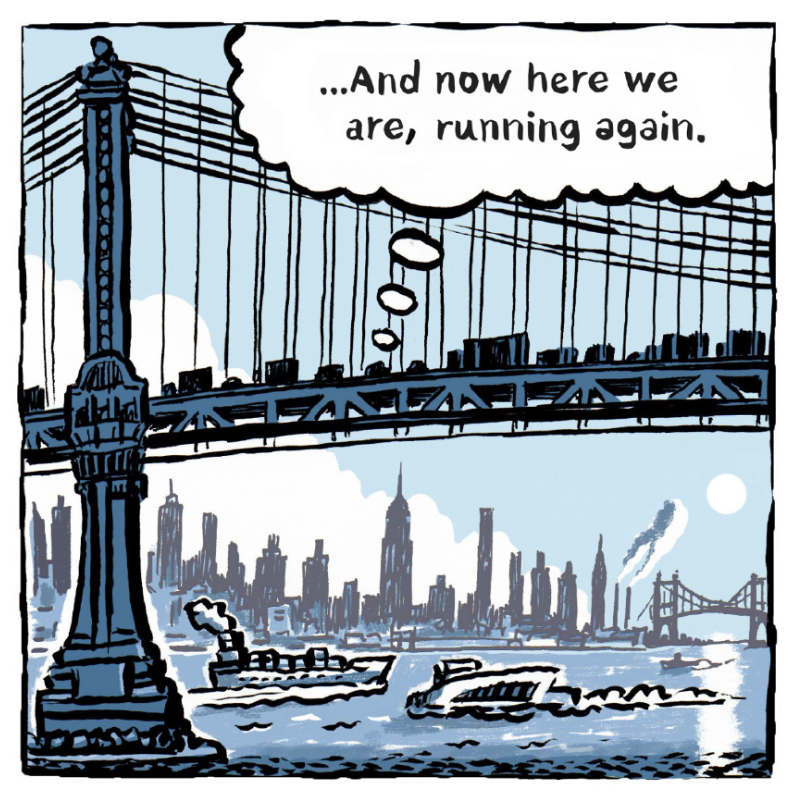
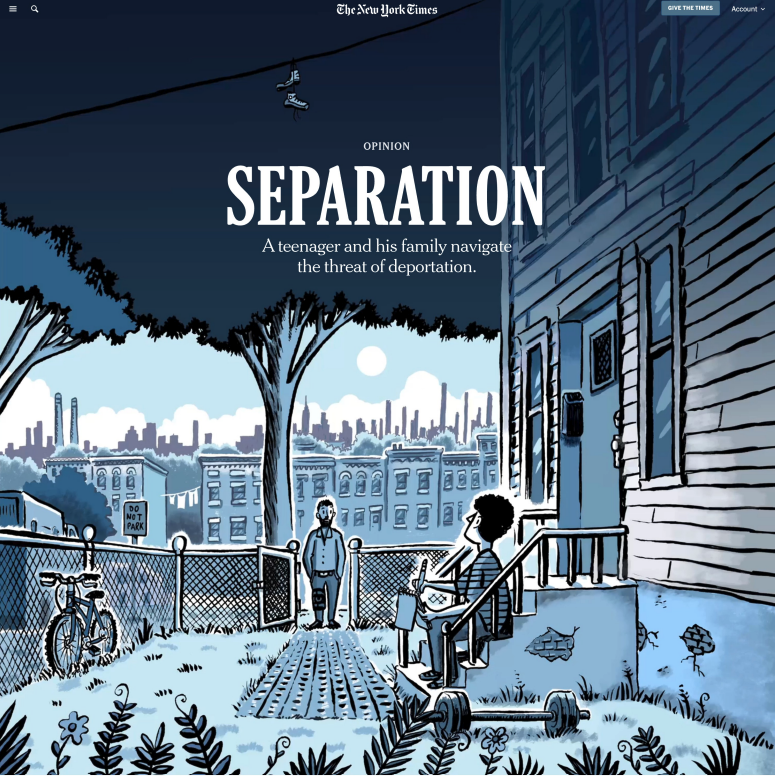
Our answer was Separation, a serialized nonfiction feature about the experiences of Mateo, a young undocumented immigrant, and his family as they tried to secure a place in the U.S. at a time of unprecedented political pressure and threats to their personal safety.
Separation, which appeared every four weeks in the Opinion section of The New York Times, was told in the form of a graphic novel. But unlike traditional graphic novels, Separation was reported out as it happened, in real time.
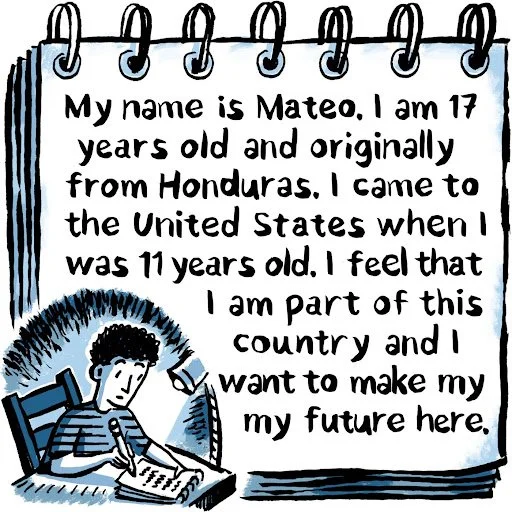
For this project, I spent months searching for a family that was motivated — and, quite frankly, brave enough — to share their story. I eventually found one: a “mixed-status” family from Honduras. The father and stepmother were undocumented; the two oldest children were covered by tenuous juvenile protections; and the youngest children were birthright citizens. We decided to focus on the oldest boy, Mateo, who was seventeen.
At seventeen, if ICE picked up Mateo, he would be placed in the custody of the Office of Refugee Resettlement. At eighteen, he would be sent to an adult detention center and fast-tracked for deportation. So many American teenagers see their eighteenth birthday as the gateway to freedom; the opposite was true for Mateo. His upcoming birthday was a demarcation line between a life of relative safety and one spent hiding in the shadows.
The debate over immigration and deportation is vast and complex, with reasonable arguments on both sides. Our goal here was not to create a treatise or a comprehensive work showing every factor at play on both sides of the border. The goal was more focused: to channel one young person’s point of view — one child caught up in all of this, whose family was a mixed-status family facing the prospect of deportation as the country around them became increasingly divisive. The title Separation referred not just to the threat facing Mateo and his family, but to the threat facing all of us as the debate over immigration drove us further apart.
Whatever we think about immigration and deportation, we hoped that somewhere in the chorus of opinions inside our heads, there might be room for Mateo’s voice. We realized empathy alone is not an answer to policy questions. But if there is any kind of answer, surely it involves listening to the voices of those directly affected — letting their feelings, their stories, their pasts and their aspirations help inform how we think about all of this.